

What Goes Into a Smooth, Seamless Ceiling After Popcorn Removal
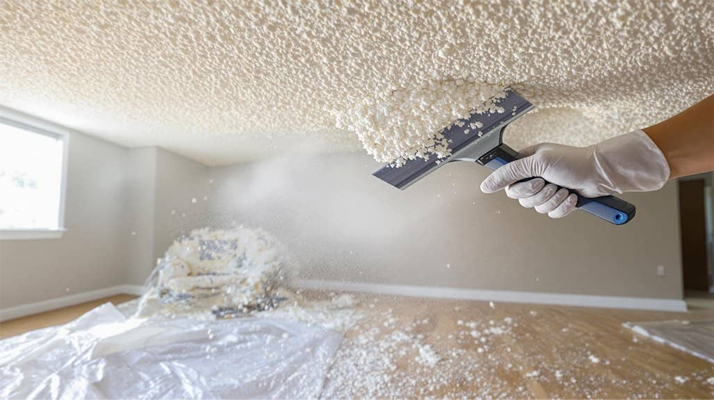
Popcorn ceiling removal is often treated as the finish line. Once the texture is scraped away, it feels like the hardest part is over. In real homes, that is rarely the case. The moment the popcorn comes down, the ceiling underneath begins to show everything it has been hiding for years. What looks like a simple surface at first glance usually turns out to be uneven, patched, and worn in places that were never meant to be visible. The final look of the ceiling depends far less on removing the popcorn and far more on how the surface is handled afterward. A ceiling that looks clean and finished does not happen quickly. It comes from slowing down and dealing with what is actually there.
The Condition Under the Popcorn
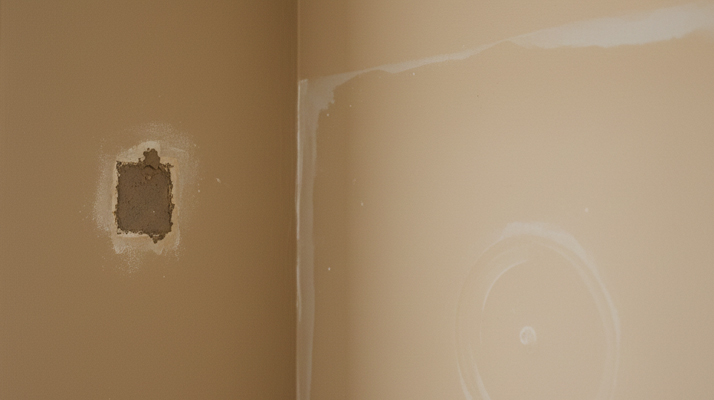
Once the popcorn is gone, the ceiling tells its age. Drywall seams may stand out. Old tape lines often show through. Small cracks near corners or light fixtures become obvious. In many homes, the drywall work underneath was done with the expectation that texture would cover everything. This is where many ceilings are misjudged. Some need only minor attention. Others reveal problems that require patience and care. Treating every ceiling as if it needs the same solution usually leads to uneven results that show up later. Taking time to really look at the surface makes all the difference.
Fixing Cracks and Surface Damage Properly
Cracks are common, especially in older homes. Some are from natural settling. Others come from previous repairs that did not hold up. Covering them quickly may look fine at first, but those cracks often return once the home shifts with changes in temperature and humidity. Proper repairs take time. Damaged areas need to be cleaned, stabilized, and built back up gradually. Each layer has to set before the next is added. Skipping drying time or rushing through repairs often leads to shadowing and lines that show through paint. This part of the work is not visible in the final photo, but it is felt in the result.
Why Skim Coating Makes the Biggest Difference
Skim coating is where the ceiling starts to feel new again. Thin layers of compound are spread across the surface to even out seams, shallow dips, and subtle ridges left behind from installation or repairs. This step is slow by nature. It is about building consistency over time. When done well, the ceiling begins to look calm and uniform rather than patched together.
Sanding Without Creating New Problems
Sanding a ceiling requires restraint. Too much pressure can damage the drywall surface and create new issues. Too little leaves behind rough spots that become obvious once paint is applied. The goal is an even feel from one end of the ceiling to the other. Edges are softened, lines are blended, and transitions disappear. Dust control also plays a role here. Keeping the surface clean helps the next steps go smoothly. This is done to determine how the wall will reflect the light and what all goes into it.