

Why Some Repairs Disappear and Others Always Catch Your Eye
Every home carries marks of past repairs. Some blend in so completely they fade from memory. Others stay visible no matter how many times the room is painted or rearranged. The size of the repair is rarely the reason. Small patches can stand out for years, while larger fixes can vanish almost immediately. The difference usually comes down to how the repair was approached. What was rushed. What was ignored. Walls and ceilings are less forgiving than they seem.
Surfaces Hold Onto Their Past
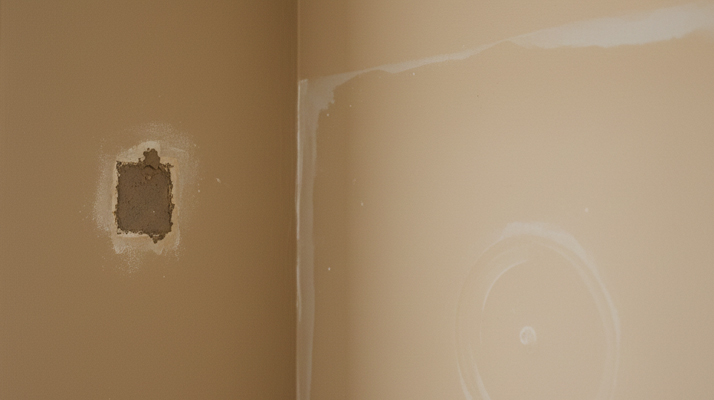
Walls remember more than people expect. Old cracks, previous patches, layers of paint, and natural movement all leave behind subtle changes. When a repair is done without accounting for those changes, it rarely blends in for long. Once it dries and the light shifts, its outline often returns. The surface reflects light differently. Edges show up where they were never fully blended. The eye keeps landing on the same spot without any effort. Repairs that disappear usually respect what the surface has already been through instead of trying to erase it in one pass.
Most Problems Begin Before the Repair Even Starts
Preparation is where repairs quietly succeed or fail. Skipping steps saves time only in the moment. Dust left behind affects adhesion. Rough edges create ridges. Uneven buildup leaves shallow dips that paint cannot hide. This stage is easy to underestimate because it does not look impressive while it is happening. There is no visible progress. Just cleaning, sanding, checking, and adjusting. But this is where the outcome is decided. A repair done on a properly prepared surface has a chance to blend in. One done on a rushed surface almost never does.
Matching the Surroundings Is Everything
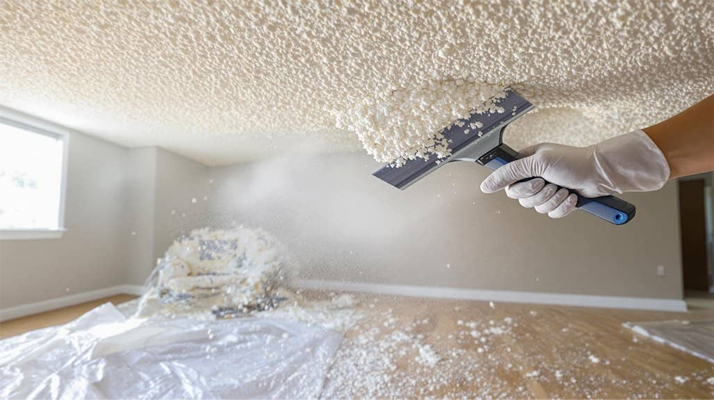
Many visible repairs stand out because they do not match what surrounds them. Texture is often the biggest giveaway. Even a slight difference becomes obvious once paint goes on. Smooth areas reflect light differently than textured ones. The contrast draws attention immediately.
The Drying Time Will Influence The Texture
Compound shrinks. Moisture leaves. What looks level at one stage may not look the same later. Painting too soon locks in those changes. This is why some repairs seem fine for a short while and then slowly become visible again. Allowing proper drying time between steps gives the surface a chance to stabilize. Repairs that disappear tend to come from patience rather than speed.
Light Finds What Hands Miss
Lighting decides whether a repair stays hidden. Overhead lights, lamps, and sunlight all interact with surfaces in different ways. A patch that looks fine straight on can stand out once light hits it from the side. Ceilings are especially unforgiving. Any unevenness becomes obvious once light spreads across them.
Experience Shows in the Details
Experience changes how repairs are handled. It teaches where cracks tend to return, how wide edges need to be feathered, and when something needs one more pass even if it looks acceptable. These decisions are not dramatic. They are quiet adjustments made during the work. Reinforcing weak areas. Blending further than seems necessary. Taking time when something feels slightly off. Those choices are rarely noticed directly, but their absence always is.